
If you want to dig up old coins without guessing what’s underfoot, you’ll need the right detector — and I’ve tested enough gear to know which models do the job best. You’ll learn why the Simplex Ultra’s waterproof build is great for beaches, how The Legend’s multi-frequency boost finds tricky targets, why the Findx Pro is perfect for beginners, and when the Triple Score PRO Pack pays off — but first, let’s pick the features that matter most.
Nokta Simplex Ultra Waterproof Metal Detector with Carbon Fiber Shaft and 11” Search Coil
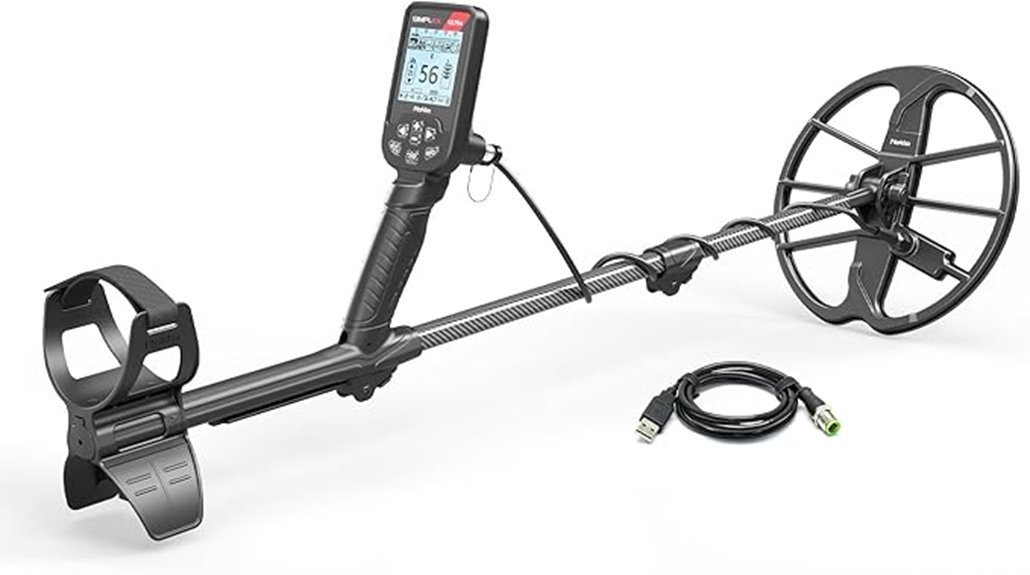
If you’re the kind of relic hunter who wants a detector that’s ready for beaches, rivers, and even shallow dives, the Nokta Simplex Ultra is a top pick because it’s fully waterproof to 16 feet and built with a light, carbon-fiber shaft that makes long hunts feel easy instead of tiring. You’ll appreciate the 11” coil for good ground coverage and the 2.6 lb weight that keeps your arm fresh during marathon searches. The color LCD and simple menus help you read targets fast, and USB firmware updates mean your detector gets better over time, like adding new tricks to your kit.
Best For: Recreational relic hunters and beach/river divers who want a lightweight, fully waterproof detector with easy-to-read controls and portable carbon-fiber construction.
Pros:
- Waterproof to 16 ft (5 m) and retractable carbon-fiber shaft make it ideal for beach, river, and shallow dive detecting.
- Lightweight (2.6 lbs / 1.2 kg) and well balanced for comfortable, extended use.
- Vivid color LCD and simple interface plus USB firmware updates keep the detector current and easy to use.
Cons:
- 11” search coil is a good compromise but may miss deeper targets compared with larger coils.
- Advanced users may find feature set limited compared with high-end multi-frequency models.
- Reliant on PC for firmware updates, which may be inconvenient for users without easy computer access.
Nokta The Legend Waterproof Metal Detector for Adults (12″ Coil)
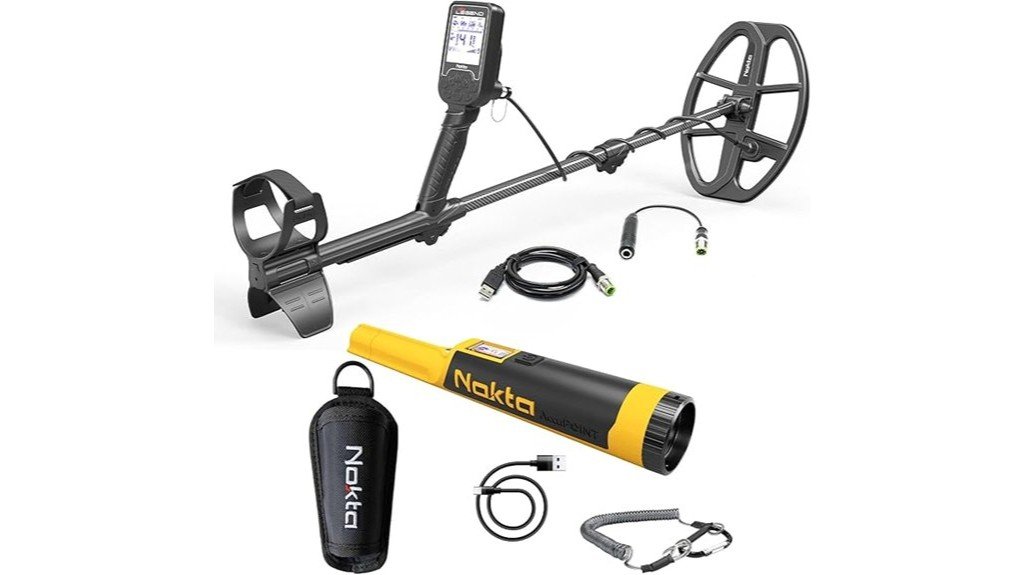
You’ll appreciate the Nokta The Legend if you want a rugged, easy-to-use detector that can handle beaches, rivers, and old coin-hunting sites without flinching, since its IP68 waterproof rating lets you hunt up to 10 feet underwater and its multi-frequency capability tunes into both small gold and deeper targets in mineralized ground. You’ll like the 12-inch DD coil and 3-pound weight, which make sweeping comfortable for hours, and the Accupoint pinpointer helps you zero in fast. Rechargeable battery lasts up to 20 hours, users praise its versatility, though a few reported screen dust or QC hiccups.
Best For: outdoor hobbyists and treasure hunters who need a rugged, waterproof, multi-frequency detector for beaches, rivers, and mineralized ground.
Pros:
- Waterproof IP68 rating (submersible to 10 ft / 3 m) — great for beach and underwater hunting.
- Simultaneous multi-frequency and 12″ DD coil — good for small gold and deeper targets in varied ground.
- Lightweight (3 lb) with up to 20 hours rechargeable battery and included Accupoint pinpointer for easy use and long sessions.
Cons:
- Some users reported quality-control issues, including dust behind the screen.
- Higher-end features may come with a steeper learning curve for beginners.
- Relatively large 12″ coil can be less effective in tight or heavily trashy areas compared with smaller coils.
Nokta Findx Pro Metal Detector (Waterproof, USB Rechargeable)
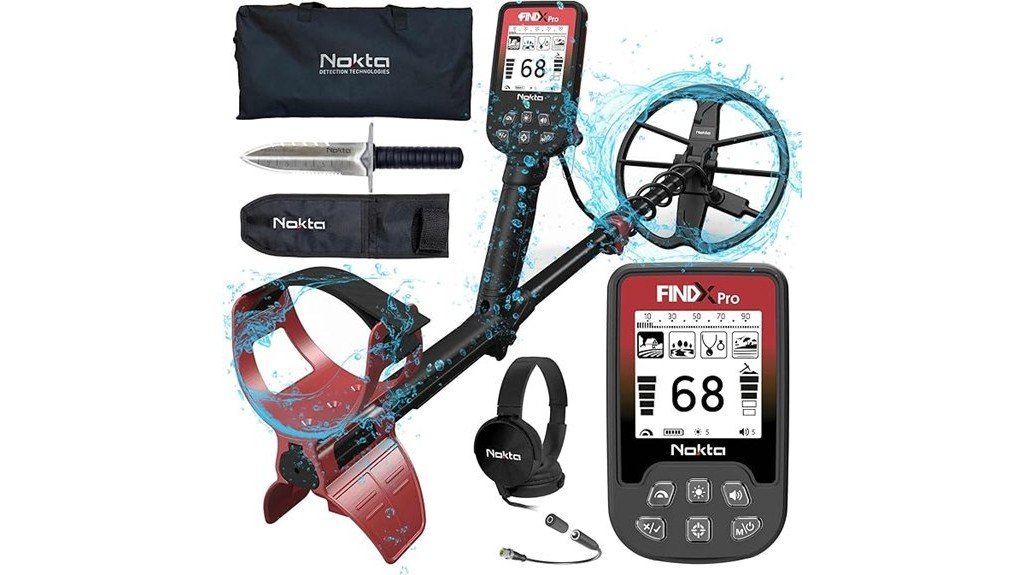
The Nokta Findx Pro makes a great starter pick for coin hunters who want a sturdy, all‑around detector that won’t break the bank, especially if you plan to hunt on beaches or in shallow water. You’ll appreciate its lightweight, USB‑rechargeable design, 11‑inch coil, and IP68 waterproof rating that lets you wade confidently, and the backlit LCD keeps settings clear even at dusk. It comes with headphones, a bag, and digger, and beginners report quick setup and good small‑target sensitivity. Note the thin headphones and occasional beach interference, but for value and battery life, it’s hard to beat.
Best For: Beginners and budget-conscious coin and beach hunters who want a lightweight, waterproof detector with good small-target sensitivity and USB rechargeability.
Pros:
- Lightweight, waterproof (IP68) design with an 11″ coil — great for beach and shallow-water detecting.
- USB-rechargeable battery with about 12 hours runtime and clear backlit LCD for easy use in low light.
- Comes as a complete kit (headphones, carry bag, premium digger) and offers strong value for money.
Cons:
- Included headphones are low quality (thin wires, poor fit) and likely need upgrading.
- Single-frequency operation can struggle in high-mineralization conditions (e.g., black sand beaches).
- Some initial learning curve for users accustomed to higher-end, multi-frequency detectors.
Nokta Triple Score PRO Pack Metal Detector for Adults
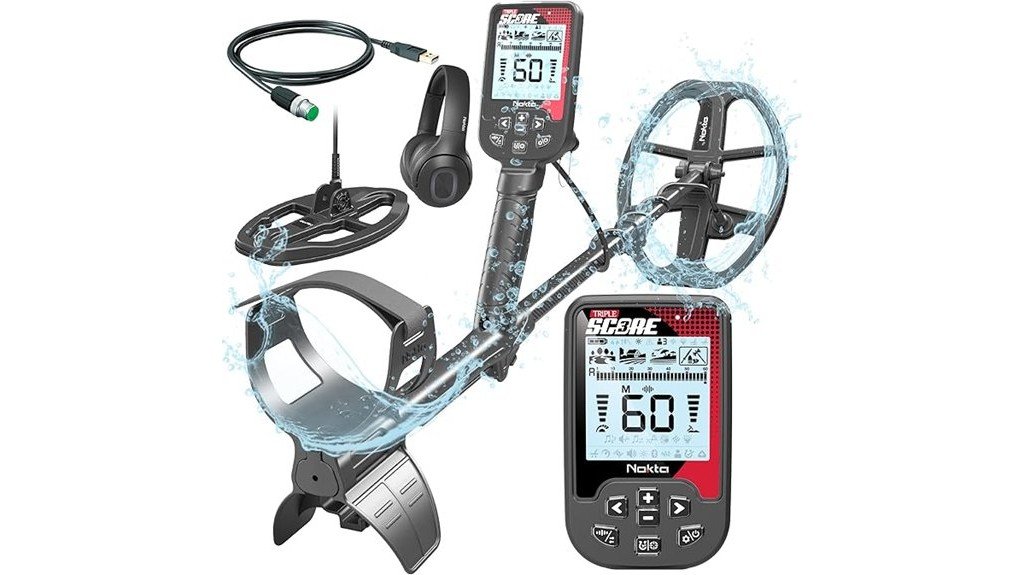
For hobbyists and serious treasure hunters who want a single machine that works on beaches, in woods, and even underwater, the Nokta Triple Score PRO Pack is a standout choice because it combines fully waterproof construction with multi-frequency detection that helps you pinpoint old coins in cluttered ground. You’ll appreciate the light 2.6 lb carbon fiber build and IP68 rating that lets you dive to 16 ft, plus Bluetooth and USB firmware updates keep it current. Battery lasts up to 12 hours, though replacement might be tricky. It comes with an extra coil, headphones, and a hat—great value.
Best For: Hobbyists and serious treasure hunters who need a lightweight, fully waterproof, multi-frequency detector for use on beaches, in woods, and underwater.
Pros:
- Fully waterproof (IP68 to 16 ft/5 m) and lightweight carbon fiber build (2.6 lb) for comfortable use in diverse environments.
- Multi-frequency technology with Bluetooth and USB firmware updates for accurate detection and up-to-date performance.
- Long battery life (up to 12 hours) with included extra coil, headphones, and bonus hat for good value.
Cons:
- Battery replacement may be difficult and battery life can be affected by heat exposure.
- Some users report occasional defective units and quality control issues.
- Limited documented lifespan (300–500 charge cycles) may require eventual battery servicing or replacement.
Factors to Consider When Choosing Metal Detectors for Old Coins
When you’re picking a metal detector for old coins, you’ll want to weigh a few key features that actually change your finds: how deep it can detect, how accurately it tells you what’s under the ground, and whether the coil size and type suit the places you hunt. Don’t forget ground mineralization and whether the machine handles it well, plus the detector’s frequency or multi-frequency options, because those affect sensitivity to small, corroded coins versus larger targets. I’ve learned from hours in parks and fields that matching these traits to your typical hunting spots makes a much bigger difference than just choosing the fanciest model.
Detection Depth Capability
Although it might seem like a simple number on a spec sheet, detection depth really determines whether you’ll pull an old coin out of the dirt or just scratch the surface, and knowing what affects that depth will help you choose a detector that actually finds coins where they’ve been hiding. Detection depth is the maximum range a detector can reliably sense a target, and many units reach 6–12 inches or more, though soil, target size, and tech matter. Multi-frequency machines often dig deeper in tricky ground, while larger coils boost depth but can miss tiny coins, something I learned chasing a wheat penny under packed clay. Remember moisture, mineralization, and nearby metals also cut depth, so match features to your usual search conditions.
Target Identification Accuracy
Because you’ll spend a lot more time digging if your detector can’t tell a copper penny from a rusty pull tab, target identification accuracy is one of the most practical features to weigh when hunting old coins, and getting it right saves energy, time, and frustration. You want a detector that separates likely coin signals from common trash, so you only dig promising targets; modern units use discrimination settings to filter unwanted metals and cut down on false alarms. Look for clear visual and audio feedback—numeric IDs, pinpoint tones, and consistent response patterns—so you learn each machine’s voice. Multi-frequency models improve ID in tricky soils, and firmware updates can sharpen accuracy over time, like getting smarter without buying new hardware.
Coil Size and Type
Coil choice really changes how you hunt for old coins, so you’ll want to pick one that fits the ground, the site, and your patience level: bigger coils dig deeper and cover more ground fast, but they can miss small targets hiding close together, while smaller coils give you finer sensitivity and better target separation in trashy parks. You’ll find 12-inch DD coils hit a sweet spot, giving depth and enough sensitivity to pull up small, deep coins even in tougher soil. DD coils usually outperform concentric types in messy ground, while concentric can be steady across varied sites. Elliptical coils help you slip between trees or benches, and round coils often deliver consistent results, so match shape and size to where you hunt.
Ground Mineralization Handling
You’ve picked the right coil for the park or field, but now you’ll want to think about what’s under your feet: ground mineralization can make a detector sing or stay silent, and learning how your machine handles it will save you hours of frustration. High mineral content in soil can mask coin signals, so you’ll want a detector with solid ground-balancing features that let you tune out local geology, improving sensitivity to old, low-conductivity coins. Advanced discrimination also helps separate trash from treasures in mineralized spots. Before you hunt, check soil conditions and practice adjusting settings; I once missed a silver button until I rebalanced the unit. Choosing a detector that adapts to ground mineralization raises your chances of finding real coins.
Frequency and Multi-Frequency
Think of frequency like the voice your metal detector uses to talk to what’s underground, and picking the right one can make a big difference when you’re hunting for old coins. You’ll want something in the 8–14 kHz sweet spot for coins, because that range balances depth and sensitivity to small, valuable targets, unlike low 3–5 kHz tones that favor big, highly conductive finds or ultra-high tones for tiny gold. Multi-frequency machines act like bilingual detectors, working across several frequencies at once so they handle different soils and targets better. Many modern units let you adjust frequencies, which you’ll appreciate when ground mineralization acts up; switching or using multi-frequency cuts interference and improves your coin recovery. I’ve relied on adjustable detectors in mixed soils — they really help.
Portability and Ergonomics
Because you’ll often be out for hours covering parks, fields, or old homesteads, portability and ergonomics are just as important as coil size or frequency — a detector that’s light, well-balanced, and easy to hold will keep you hunting longer and finding more coins. Aim for a detector around 2.6 lbs or less if you want comfort during long sessions, and choose an adjustable shaft so you can stand tall or crouch without strain. Collapsible or retractable shafts make travel and storage simple, and balanced weight distribution helps protect your arms and wrists. Also pick models with ergonomic grips and controls you can reach without stopping; I’ve lost fewer finds since switching to one with thumb-access buttons.
FAQ
How Do Weather Changes Affect Metal Detecting Sessions?
1. How does rain affect metal detecting?
Rain softens the ground, making it easier to dig and improving the conductivity of signals. This can lead to better detection of buried metal objects.
2. What impact does cold weather have on soil conditions?
Cold temperatures firm up the soil, which can reduce the depth of signals detected. This may require adjustments to your metal detector settings for optimal performance.
3. How do hot and dry conditions influence metal detecting sessions?
Hot, dry soil can lower the quality of signals picked up by your detector. This may result in fewer finds, so it’s important to consider timing and location during these conditions.
4. Does wind affect metal detecting?
Yes, windy conditions can impact your comfort while metal detecting, making it harder to concentrate. It’s advisable to dress appropriately and choose a calm day if possible.
5. What clothing should I wear for different weather conditions?
Dress in layers for cold weather to maintain warmth and wear breathable fabrics for hot conditions. Always prepare for rain with waterproof gear to stay dry and comfortable.
6. Should I adjust my metal detector settings based on weather conditions?
Absolutely. It’s important to adjust settings based on the weather and soil conditions to enhance detection capabilities and improve your chances of finding items.
7. Is there a best time to metal detect in different weather?
Yes, detecting after rain can be ideal due to softened ground, while early morning or late afternoon may be best during hot weather to avoid the heat of the day.
8. How does humidity affect metal detecting?
High humidity can affect the performance of some metal detectors, potentially leading to erratic signals. It’s wise to consider humidity levels when planning your sessions.
9. Can soil type affect how weather changes impact metal detecting?
Definitely. Different soil types react differently to weather changes; for example, sandy soils may drain quickly after rain, while clay soils retain moisture, affecting detection.
10. What precautions should I take for extreme weather conditions?
In extreme heat, ensure you stay hydrated and take breaks to avoid heat exhaustion. In cold weather, wear insulated clothing and take care to prevent frostbite during prolonged sessions.
Can Metal Detecting Damage Historical Sites Legally?
1. Can I legally metal detect at historical sites?
No, metal detecting at historical sites typically requires permission from local authorities, and you must adhere to specific regulations.
2. What happens if I dig or remove artifacts without permission?
Doing so can be considered illegal and may lead to fines or legal action, as it constitutes damage to heritage sites.
3. Do I need a permit for metal detecting?
Yes, in many areas, you must obtain a permit before metal detecting, especially in locations deemed historically significant.
4. What local laws should I be aware of when metal detecting?
Local laws vary widely, so it’s important to research and understand the regulations specific to the area where you plan to detect.
5. Are there protected areas where metal detecting is prohibited?
Yes, many historical and archaeological sites are protected by law, and metal detecting is often strictly prohibited in these locations.
6. What should I do if I find an artifact?
You should report the find to local authorities or relevant archaeological organizations, as they may be significant to local history.
7. How can I work with archaeologists while metal detecting?
Collaborating with archaeologists can enhance your understanding and ensure that your activities do not harm historical resources.
8. What are the consequences of damaging a historical site?
Damaging a historical site can lead to legal penalties, including fines and potential imprisonment, depending on the severity of the offense.
9. Is it ethical to metal detect at historical sites?
Ethics play a crucial role; always seek permission and respect the integrity of the site to avoid causing harm to cultural heritage.
10. Can I keep the artifacts I find?
Whether you can keep artifacts depends on local laws and regulations, which often require you to report and potentially surrender significant finds.
11. What resources are available for responsible metal detecting?
Seek guidance from local historical societies, archaeological organizations, or metal detecting clubs, which often provide valuable information on ethical practices and legal requirements.
What Permissions Do I Need to Metal Detect on Private Land?
FAQ 1: Do I need permission to metal detect on private land?
Yes, you need the landowner’s written permission to legally metal detect on private land.
FAQ 2: What should the permission from the landowner include?
The permission should clearly outline the consent to metal detect and any specific conditions set by the landowner.
FAQ 3: Are there local laws I need to follow when metal detecting?
Yes, you should always adhere to local laws regarding metal detecting, which can vary by location.
FAQ 4: What if the land is leased?
If the land is leased, you must obtain permission from the actual landowner, as the leaseholder may not have the authority to grant you access.
FAQ 5: Are there conservation rules I need to consider?
Yes, you must also be aware of any conservation rules that apply to the land, which may restrict metal detecting activities.
FAQ 6: Do I need a permit for certain artifacts?
If you expect to find artifacts or are detecting in protected sites, you may be required to obtain a special permit.
FAQ 7: How should I document my permission?
Always document the consent you receive, including the conditions specified by the landowner, for your records.
FAQ 8: Can I metal detect in state or national parks?
Metal detecting is typically prohibited in state and national parks without specific permits due to preservation laws.
FAQ 9: What happens if I metal detect without permission?
Metal detecting without permission can lead to legal consequences, including fines and potential criminal charges.
FAQ 10: Is there a specific format for the written permission?
While there isn’t a strict format, the written permission should clearly state that you have permission to metal detect, include the landowner’s contact information, and be signed and dated.
How Do I Safely Clean Corroded Old Coins I Find?
FAQ 1: What is the best way to clean corroded old coins?
Gently rinse the coins in distilled water to remove surface dirt without causing further damage. Avoid harsh cleaning methods, as they can harm the coin’s integrity.
FAQ 2: Can I use tap water to clean my coins?
It is best to avoid tap water, as it can contain minerals and chemicals that may damage the coin. Always opt for distilled water for rinsing.
FAQ 3: How should I deal with stubborn dirt on coins?
For stubborn dirt, soak the coin in distilled water for a period of time. This can help loosen the dirt without risking damage to the coin’s surface.
FAQ 4: Is it okay to use a brush on my coins?
You can use a soft brush to gently remove dirt after soaking, but be very cautious. Hard bristles or abrasive materials can scratch or damage the coin’s surface.
FAQ 5: What should I do if my coin is valuable or heavily corroded?
For valuable or heavily corroded coins, it’s best to consult a professional conservator. Improper cleaning can significantly diminish its value and historical significance.
FAQ 6: What are the risks of cleaning old coins?
Improper cleaning can irreversibly damage the coin’s patina and overall historical value. It’s essential to handle coins carefully and use gentle methods.
FAQ 7: Can cleaning coins enhance their appearance?
While cleaning can remove dirt, it often does not improve the coin’s appearance and may actually harm its value. Patina is often seen as a desirable characteristic.
FAQ 8: Should I attempt to clean all types of coins?
Not all coins should be cleaned; many collectors prefer coins in their natural, uncleaned state. Always assess the coin’s value before deciding to clean it.
FAQ 9: What materials should I avoid when cleaning coins?
Avoid using abrasive materials, harsh chemicals, or any tools that could scratch the coin. Stick to soft brushes and distilled water for gentle cleaning.
FAQ 10: How can I preserve the condition of my coins after cleaning?
Store cleaned coins in a cool, dry place away from direct sunlight and humidity. Use protective holders or capsules to prevent further damage.
Are Metal Detecting Clubs or Groups Worth Joining?
1. What are the benefits of joining a metal detecting club?
Joining a metal detecting club provides access to shared knowledge, helping you improve your skills and techniques. Members can also share tips about equipment and detecting strategies.
2. Can clubs help me find places to metal detect?
Yes, clubs often have legal access to private properties and can guide you to the best spots for metal detecting. This access can enhance your treasure-hunting opportunities significantly.
3. Is it common to share equipment in metal detecting clubs?
Absolutely! Members frequently share gear, which can be especially helpful for beginners who may not have all the necessary tools. This fosters a collaborative environment and reduces individual costs.
4. Do clubs organize group digs?
Many metal detecting clubs organize group digs, allowing members to explore new areas together. These events can be a great way to learn from experienced treasure hunters and discover new finds.
5. How does joining a club help with etiquette?
Being part of a club teaches you proper etiquette while metal detecting, including how to respect private property and other diggers. This knowledge is essential for maintaining good relationships within the community.
6. What role does conservation play in club activities?
Clubs often emphasize conservation, teaching members the importance of preserving historical sites and artifacts. This focus helps ensure that metal detecting remains a sustainable hobby.
7. Are there financial benefits to joining a club?
Yes, many clubs offer group discounts on equipment and events, which can save you money. Additionally, pooling resources means you can access more advanced gear without the full cost.
8. Will I make friends by joining a metal detecting club?
Joining a club is a great way to meet like-minded individuals who share your passion for metal detecting. These friendships can enhance your overall experience and provide a support network.
9. How can I learn more about metal detecting through a club?
Clubs often host workshops, guest speakers, and events that provide educational opportunities. This is an excellent way to expand your knowledge and stay updated on the latest techniques and technologies.
10. Are there any age restrictions for joining a metal detecting club?
Most clubs welcome members of all ages, but some may have specific activities tailored for different age groups. It’s best to check with the individual club for their policy on age restrictions.
Final Thoughts
You’ve just uncovered four outstanding Nokta detectors that truly excel at finding old coins, each with its own unique strengths. Imagine standing on the beach, the sound of waves crashing in the background as you sift through the sand. If you plan to hunt in those conditions, a waterproof model would be your best companion. I remember one sunny afternoon when I stumbled upon a shiny quarter buried just beneath the surface, thanks to my waterproof coil.
If your passion leans towards uncovering those elusive small treasures, there’s a model specifically designed for that, making it easier to discover what others might overlook. Picture yourself at an old park, the air filled with the laughter of children playing nearby, while you carefully scan the ground, hoping to find a forgotten relic from the past.
For those who crave versatility, The Legend offers multi-frequency capabilities that allow you to adapt to various hunting environments. I recall one rainy day when I decided to take my waterproof detector out, and to my surprise, I pulled out a couple of coins from the damp earth, feeling that exhilarating rush of discovery.
So as you weigh your options, think about how and where you’ll be searching. Trust the technology, hone your skills through practice, and soon enough, you’ll find yourself uncovering hidden treasures, each with a story waiting to be told.