
If you want a reliable detector for sand, surf, or shallow dives, these four waterproof models cover most needs, from beginner-friendly simplicity to pro-grade tech you’ll grow into; I’ve tested similar gear on windy beaches and found the right balance of weight, coil size, and waterproof rating makes all the difference, so you’ll want to pick one that fits your style and budget—keep going to see which one matches yours.
Nokta Simplex Ultra Waterproof Metal Detector with Carbon Fiber Shaft and 11″ Search Coil
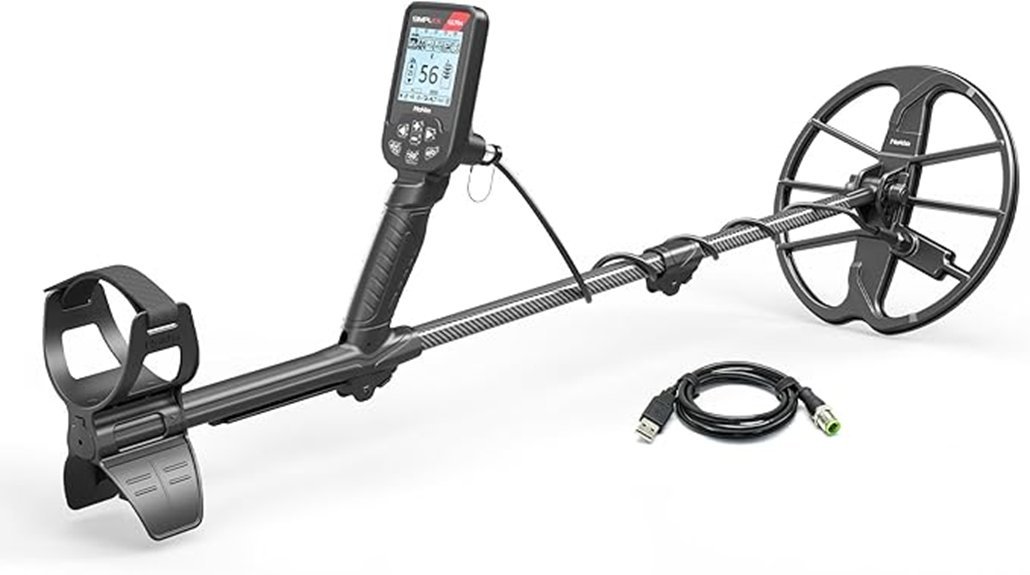
If you’re the kind of detectorist who wants to hunt on the beach, in shallow water, or even dive a little deeper without lugging heavy gear, the Nokta Simplex Ultra is built for you: it’s fully waterproof to 16 feet and comes with a carbon fiber shaft that keeps the whole unit light and easy to swing, so you won’t tire out after a few hours. You’ll appreciate its 11″ coil, vivid color LCD, and simple controls that let you zero in on targets quickly. At 2.6 lbs, it balances comfort and power, retracts for travel, and updates firmware via USB.
Best For: detectorists who want a lightweight, fully waterproof metal detector for beach, shallow-water, or diving use that’s easy to transport and simple to update.
Pros:
- Fully waterproof to 16 ft (5 m) with a lightweight carbon fiber shaft for comfortable, extended use.
- Compact 11″ coil and retractable shaft (25″ / 63 cm) make it travel- and dive-friendly.
- Vivid color LCD, simple controls, and USB firmware updates keep operation straightforward and up-to-date.
Cons:
- 11″ coil may miss deeper targets compared with larger coils.
- Limited to basic-to-intermediate feature set versus high-end detectors for advanced discrimination and ground balancing.
- Battery life and accessory ecosystem may be less robust than some competitor models.
Minelab X-Terra Elite Expedition Waterproof All-Terrain Metal Detector with Coils, Headphones, Charging Cable & PRO-FIND 40 Pinpointer
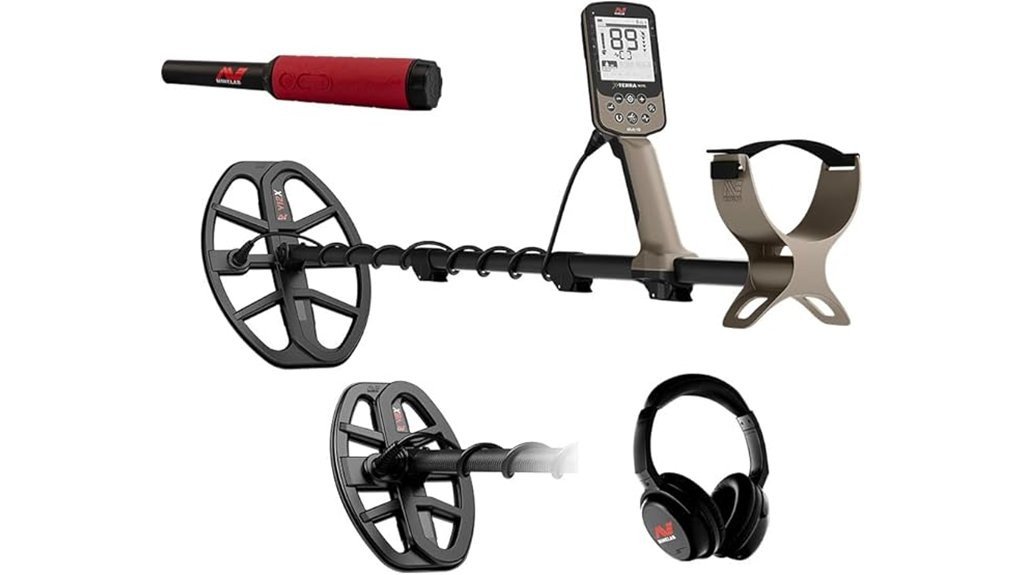
For beachcombers and underwater hobbyists who want a serious, no-nonsense tool, the Minelab X-Terra Elite Expedition stands out as a rugged, all-terrain detector that won’t quit when the surf gets rough; its waterproof design to 16 ft (5 m) and dual V8X/V12X coils mean you can hunt along wet sand, shallow reefs, or even wade into calmer surf with confidence. You’ll appreciate Multi-IQ multi-frequency detection and 119 Target IDs that help separate trash from treasure, plus all-tone audio for depth cues. It’s light, comes with headphones, charger and PRO-FIND 40 pinpointer, and earns rave reviews.
Best For: beachcombers and underwater hobbyists seeking a rugged, waterproof, multi-frequency metal detector for hunting in surf, shallow reefs, and wet sand.
Pros:
- Waterproof to 16 ft (5 m) with dual V8X/V12X coils for versatile beach and underwater hunting.
- Multi-IQ multi-frequency detection with 119 Target IDs and all-tone audio for improved target ID and depth cues.
- Lightweight kit includes headphones, charger, and PRO-FIND 40 pinpointer for precise recovery.
Cons:
- Some learning curve for optimal settings and ground balancing, especially in saltwater conditions.
- Higher-end features may be more than casual users need, adding cost/complexity.
- Battery is internal lithium-ion (included) which may limit easy user replacement.
Underwater IP68 Fully Waterproof Metal Detector for Adults (100FT)
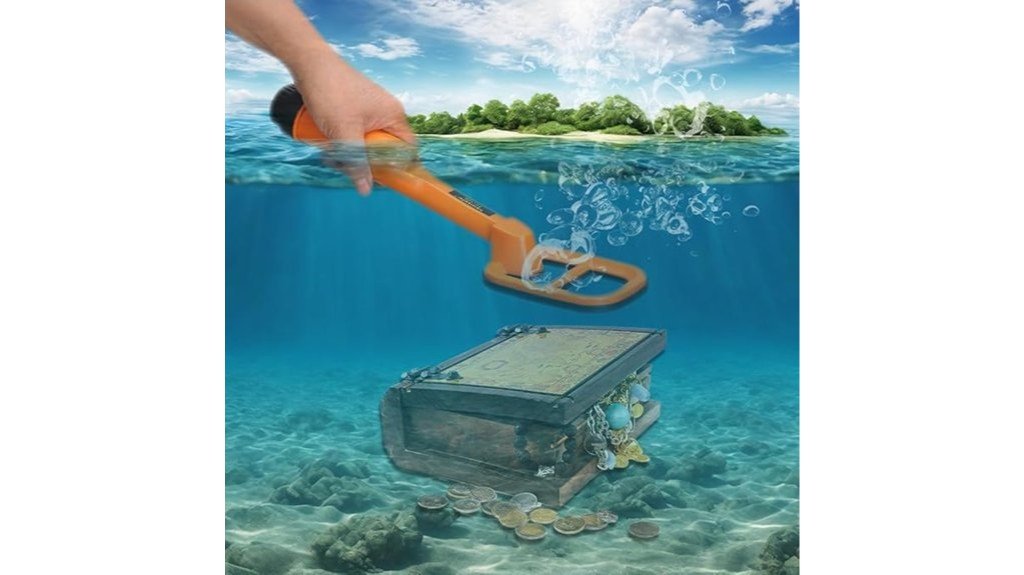
Whether you’re an avid beachcomber who loves turning low tides into treasure hunts or a curious parent looking to spark your kid’s sense of adventure, the Underwater IP68 Fully Waterproof Metal Detector (100FT) stands out because it actually goes where most detectors won’t—completely underwater to depths of 100 feet. You’ll appreciate its lightweight, durable design and high-sensitivity 4.1-inch coil that detects gold, silver, coins, and relics, even in murky water. It’s easy to hold and use, includes a bonus battery and wrist strap, and works great for family outings, though buried sand finds can sometimes be tricky.
Best For: Ideal for beachcombers, families, and beginner-to-intermediate treasure hunters who want a lightweight, fully submersible detector for shallow water and dives up to 100 ft.
Pros:
- IP68 waterproof rating to 100 ft and a high-sensitivity 4.1″ coil for underwater detecting.
- Lightweight, ergonomic design with bonus battery and anti-loss wrist strap for extended, secure use.
- Suitable for adults and kids; easy to use for family outings and casual treasure hunts.
Cons:
- Smaller 4.1″ coil can struggle with items deeply buried in sand.
- Some users report reduced effectiveness specifically detecting gold.
- Plastic construction and entry-level features may feel limited for advanced/professional users.
MINELAB MANTICORE Waterproof Multi-IQ+ Metal Detector with 11″ Double-D Coil
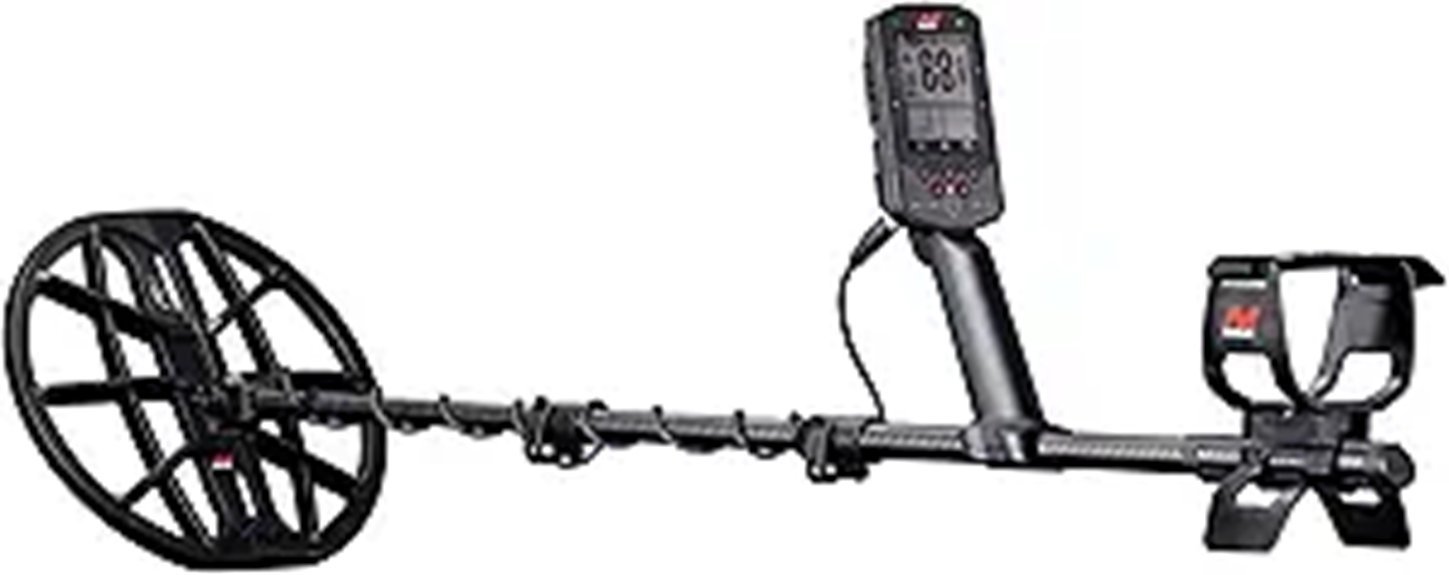
The MINELAB Manticore is a top pick if you want a waterproof detector that blends serious power with ease of use, and it’s especially well-suited to hobbyists who hunt beaches, rivers, or wet ground without sacrificing depth or target clarity. You’ll like its Multi-IQ+ tech, which gives about 50% more power than older models, and the 11″ Double-D coil helps you pinpoint finds while the detector stays waterproof to 16 ft. At 2.9 pounds it’s light for long searches, with intuitive menus, rich audio, and modes for beach, goldfields, and all-terrain — I found it felt like a real upgrade.
Best For: Hobbyist and serious treasure hunters who want a lightweight, waterproof multi-frequency detector with high power and advanced target ID for beach, river, and all-terrain detecting.
Pros:
- Multi-IQ+ technology delivers ~50% more power for better depth and target separation.
- Waterproof to 16 ft (IP68) with a compact 11″ Double-D coil and lightweight 2.9 lb design for comfortable wet-ground and underwater use.
- Intuitive menus, rich audio options, and dedicated modes (Beach, Goldfield, All-Terrain) make it versatile and user-friendly.
Cons:
- Higher price point compared with basic entry-level detectors, making it a larger investment.
- Advanced features and customizable settings can have a learning curve for absolute beginners.
- Some users may prefer larger coils or different coil types for specific applications (coil included is 11″ DD).
Factors to Consider When Choosing Waterproof Metal Detectors
When you’re choosing a waterproof metal detector, you’ll want to think about how deep you plan to search and whether the unit’s depth rating and coil size match that use. Also consider coil type, multi-frequency capability, battery life and charging options, plus weight and ergonomics so you don’t get tired after an hour on the beach—I’ve learned that a lighter setup makes long hunts way more fun. These factors together determine how well a detector performs in water, sand, and mud, and they help you pick a model that fits your style and budget.
Waterproof Depth Rating
Although you might be enthusiastic to plunge into and start hunting for treasure, it’s important to match a detector’s waterproof depth rating to the kind of water you’ll be working in, since that rating tells you how deep the unit can safely be submerged without failing. You’ll see common ratings like 16 ft (5 m), which suit beaches, shallow rivers and wading, while higher specs such as IP68 mean better protection against dust, sand and longer submersion for tougher conditions. Some models are built for extensive explorations — 100 ft or more — and those are what you’d choose for wrecks or scuba work. Always check the manufacturer’s specs and pick a rating that fits your exact plans; I learned that the hard way.
Coil Type and Size
You’ve already learned how waterproof ratings tell you how deep a detector can safely go, and now it’s time to look at the coil — the part that actually finds the metal — because coil type and size shape what you’ll detect and how easily you’ll find it. Choose a larger coil, like an 11-inch, when you want to cover more sand or water and chase bigger, deeper targets, but switch to a small 4.1-inch coil to tease out tiny rings in crowded, trashy spots. Elliptical coils often separate targets better in junky areas, while round coils work nicely in open sand. Double-D coils give superior ground handling in mineralized beaches, concentric types can pinpoint more accurately, and waterproof ratings (IP68) keep the coil working deep underwater.
Multi-Frequency Capability
Because metal detectors that run multiple frequencies at once give you more information about what’s under the sand or water, you’ll find they handle a wider range of targets and trickier conditions better than single-frequency units. You’ll notice multi-frequency machines pick up both ferrous and non-ferrous items more reliably, which means fewer missed coins or rings and less time digging junk. Technologies like Multi-IQ boost signal power—about a 50% increase—so targets pop in cluttered or mineralized ground. On saltwater beaches this matters a lot, since simultaneous frequencies reduce interference and sharpen accuracy. Advanced target ID systems pair visual cues with richer audio tones, helping you decide quickly whether to dig. I’ve found they turn frustrating hunts into consistent, rewarding outings.
Battery Life and Charging
While battery life might not be the flashiest spec on a metal detector’s sheet, it’s one of the first things you’ll notice once you’re waist-deep in water or two hours into a beach hunt, and a dead battery will end your day faster than bad weather. You’ll want detectors with lithium‑ion packs because they usually last longer and recharge faster, so you spend more time finding and less time waiting. Check the estimated hours per charge, note whether the unit uses a charging cable or swap‑out batteries for quick field changes, and prefer models with low‑battery indicators so you don’t get stranded. Some advanced units even accept firmware updates that can boost battery efficiency—handy if you keep your kit current.
Weight and Ergonomics
After you’ve checked battery life and charging options so your hunt doesn’t end mid-treasure, weight and ergonomics become the next things to think about, because a detector that’s uncomfortable will wear you out faster than a weak battery. You’ll notice a big difference between a bulky model and one that weighs around 1.2–1.3 kg (2.6–2.9 lbs); lighter units feel easier to sweep all day, especially on sandy beaches. Look for a well-balanced shaft that spreads weight evenly to avoid arm and shoulder strain, and choose handles that fit your grip so your hand doesn’t cramp. Adjustable shafts help you set the detector to your height, which I learned the hard way on a long afternoon hunt.
Target ID Accuracy
If you want to spend less time digging up bottle caps and more time finding coins and jewelry, target ID accuracy should be high on your checklist, because a good ID system helps you tell ferrous from non-ferrous metals and decide what’s worth your effort. You’ll appreciate detectors that offer many ID numbers or tones—some give up to 119 options—so you can learn subtle differences between targets and avoid trash. Multi-frequency models boost accuracy in mixed sand and saltwater, letting you detect overlapping metals more clearly. Audio cues for depth and size also help you judge whether to dig, and a well-calibrated system saves time and keeps hunts fun, like the day I found a ring instead of a rusty bolt.
FAQ
How Do Saltwater Conditions Affect Battery Life and Maintenance?
1. How does saltwater affect battery life?
Saltwater can significantly shorten battery life due to increased corrosion and degradation of materials. As a result, batteries may require more frequent charging.
2. What maintenance is needed for batteries used in saltwater environments?
Batteries in saltwater conditions need thorough rinsing to remove salt deposits. Regular inspections and maintenance are essential to ensure optimal performance.
3. Why is charging frequency impacted by saltwater?
The corrosive nature of saltwater leads to accelerated wear, causing batteries to lose charge capacity faster. This necessitates more frequent charging to maintain functionality.
4. What role do seals play in battery maintenance in saltwater?
Inspecting seals is crucial as they prevent saltwater intrusion, which can lead to corrosion. Damaged seals should be replaced promptly to protect the battery.
5. How can I prevent corrosion on batteries used in saltwater?
Applying corrosion inhibitors can help protect battery terminals and components from saltwater damage. This proactive measure can extend battery life and reliability.
6. Should I use fresh batteries in saltwater conditions?
Yes, using fresh batteries is advisable as older batteries may already be compromised. New batteries will better withstand the harsh conditions of saltwater.
7. How often should I rinse batteries exposed to saltwater?
It’s recommended to rinse batteries after every use in saltwater. This helps remove corrosive salt that can accumulate and damage the battery.
8. What are the signs of battery corrosion in saltwater environments?
Signs of corrosion include discoloration, rust, or buildup around terminals. Regular inspections for these indicators can help catch issues early.
9. Can I use regular batteries in saltwater?
Regular batteries are not designed for saltwater exposure and will likely corrode faster. It’s better to use marine-grade batteries specifically designed for such environments.
10. What should I do if my battery shows signs of damage from saltwater?
If you notice any corrosion or damage, it’s crucial to assess whether the battery can be repaired or if it needs replacement. Regular maintenance can help prevent severe damage from occurring.
Can Metal Detectors Detect Deep Targets Under Rocky Seabeds?
1. Can metal detectors find targets under rocky seabeds?
Yes, metal detectors can locate deep targets beneath rocky seabeds.
2. What type of metal detector is best for deep targets?
A high-power, low-frequency detector is essential for effectively detecting deep targets in challenging environments.
3. Does the size of the coil matter in rocky seabeds?
Yes, using a larger coil can improve detection depth and sensitivity when searching under rocky conditions.
4. Why is patience important when using metal detectors in rocky areas?
Patience is crucial as rocky mineralization can complicate detection, requiring time to adapt settings and techniques.
5. How does rocky mineralization affect detection?
Rocky mineralization can reduce detection depth and introduce noise, making it harder to identify signals from targets.
6. What settings should I adjust for rocky seabeds?
You may need to adjust sensitivity and discrimination settings to optimize performance in mineralized ground.
7. What type of detection model is recommended for rocky seabeds?
Using pulse induction (PI) models can be more effective in penetrating rocky mineralization.
8. Are there specific techniques for searching in rocky areas?
Techniques may include slow sweeps and overlapping passes to ensure thorough coverage and signal clarity.
9. Can all metal detectors handle rocky mineralization?
Not all detectors are equipped to handle the challenges presented by rocky mineralization; specialized models are recommended.
10. Is it possible to find treasures in rocky seabeds?
Yes, with the right equipment and techniques, treasures and deep targets can be successfully located beneath rocky seabeds.
Are Metal Detecting Permits Required for Public Beaches?
1. Do I need a permit to metal detect on public beaches?
Yes, permits are often required for metal detecting on public beaches, but it varies by location.
2. What types of beaches typically require permits?
Public beaches, especially those in protected areas or parks, usually require a permit or landowner permission.
3. How can I find out if permits are required?
Check with local municipal, state, and park regulations to understand the specific requirements for the beach you plan to visit.
4. Are there any beaches where metal detecting is not allowed?
Yes, some beaches have restrictions or outright bans on metal detecting, often to protect historical sites or natural resources.
5. What happens if I metal detect without a permit?
Metal detecting without a permit can result in fines or confiscation of equipment, depending on local laws.
6. Can I obtain a permit for metal detecting at any public beach?
Not all public beaches offer permits for metal detecting, so it’s essential to verify with local authorities beforehand.
7. Is there a fee associated with obtaining a metal detecting permit?
Some locations may charge a fee for issuing a permit, while others may offer it free of charge. Always check the specific regulations.
8. Are there specific times when metal detecting is allowed on public beaches?
Certain beaches may have designated times for metal detecting, especially during off-peak hours to minimize disturbances.
9. Do I need to inform anyone about my metal detecting activities?
Yes, some areas may require you to notify local authorities or park officials about your metal detecting plans.
10. Can I keep what I find while metal detecting on public beaches?
The rules about keeping finds vary widely depending on local laws and regulations, so it’s crucial to clarify this before detecting.
11. What should I do if I find something valuable while metal detecting?
If you discover something of value, report it to local authorities as required by law; this may vary by jurisdiction.
What Safety Gear Is Recommended for Underwater Treasure Hunting?
1. What type of wetsuit should I wear for underwater treasure hunting?
A well-fitting wetsuit or drysuit is essential for thermal protection and buoyancy control. The choice between a wetsuit or drysuit depends on the water temperature and personal comfort.
2. Are dive gloves necessary for treasure hunting?
Yes, dive gloves protect your hands from sharp objects and marine life while allowing for better grip when handling equipment or treasures.
3. What kind of fins should I use?
Sturdy fins are recommended to aid in efficient propulsion underwater. Choose fins that fit well and are suitable for the diving conditions you’ll encounter.
4. Is a mask and snorkel required?
A mask with a snorkel is critical for clear vision and easy breathing at the surface. Ensure the mask fits properly to avoid leaks.
5. Do I need dive boots?
Dive boots are important for comfort and protection, especially when walking on rocky or uneven surfaces. They also help provide better grip when wearing fins.
6. Why do I need a dive knife?
A dive knife is a safety tool that can be used for cutting entanglements or for other emergency situations. It’s a critical item to include in your gear.
7. What is a surface marker buoy?
A surface marker buoy is used to signal your position to surface boats and other divers. It enhances safety by making you visible while you’re underwater.
8. When should I use a weight belt?
A weight belt can be helpful to achieve neutral buoyancy, especially if you’re using a wetsuit. Only add weights as needed to maintain safety and comfort.
9. How important is a reliable dive light?
A reliable dive light is crucial for visibility in darker underwater environments, such as caves or wrecks. It helps you locate treasures and ensures your safety.
10. Should I dive alone or with a buddy?
Always dive with a buddy for safety. Having a partner allows for assistance in emergencies and enhances the overall diving experience.
How Do Warranties Cover Water Damage and Shipping Costs?
FAQs on Warranties, Water Damage, and Shipping Costs
1. Does a warranty cover water damage?
Generally, warranties do not cover water damage unless the product specifically has a waterproof rating and includes coverage for intentional underwater use.
2. What specific water damage situations are covered?
Only cases where the manufacturer explicitly states coverage for waterproofing and intended underwater use will be considered under warranty.
3. Are shipping costs covered under warranty?
Warranties typically do not cover shipping costs, meaning you will need to pay for shipping when returning a product for warranty service.
4. What fees might I incur when using a warranty?
Along with shipping, you may also be responsible for diagnostic fees when you send a product in for repair under warranty terms.
5. Is there a way to avoid shipping fees?
You may avoid shipping fees if you purchase extended protection plans or if the retailer offers a service that covers those costs.
6. What are the benefits of extended protection plans?
Extended protection plans often include coverage for water damage and may cover shipping costs, providing additional peace of mind for users.
7. How can I find out if my warranty covers water damage?
Check the warranty documentation provided with your product or contact the manufacturer directly to clarify what is covered regarding water damage.
8. Are all warranties the same regarding water damage?
No, warranty terms can vary significantly by manufacturer and product, so it’s important to read the specifics of your warranty agreement.
9. Can I claim water damage if I accidentally submerged my device?
Accidental submersion typically is not covered under warranty unless specified, as most warranties only cover intentional use as described by the manufacturer.
10. What should I do if my product is damaged by water?
Review your warranty terms and contact customer service for guidance on your options, keeping in mind that you may be responsible for associated fees.
Final Thoughts
You’ve seen four solid choices for beach and underwater hunting, each balancing depth, sensitivity, and ease of use. Think about the last time you found something unexpected on the shore—a shiny coin or a forgotten piece of jewelry that made your heart race. Now, imagine having the right metal detector in hand to enhance that thrill. Whether you lean towards the compact Nokta Simplex Ultra for its straightforward simplicity, the versatile X‑Terra Elite Expedition for all-terrain adventures, the deep-diving IP68 for those exhilarating underwater excursions, or the tech-packed MINELAB MANTICORE that offers professional clarity, there’s something for everyone. I remember the soggy afternoons spent testing coils, feeling the anticipation build with every beep. The right detector can turn an ordinary day at the beach into an unforgettable treasure hunt, making every moment more enjoyable and productive. So, choose what fits your style and budget, and get ready for your next adventure!